Search
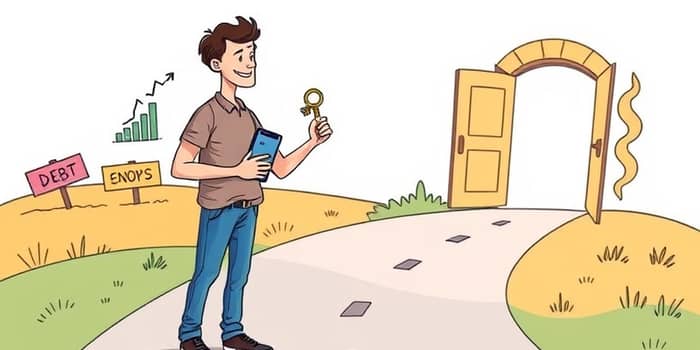
In an era of rising costs and economic uncertainty, credit card debt has soared to unprecedented levels, leaving millions feeling overwhelmed and trapped.
The total U.S. credit card debt reached a staggering $1.23 trillion in Q3 2025, marking the highest on record and highlighting a growing crisis that touches every household.
With average household debt hovering near $11,000, many families are struggling to balance essentials against high-interest payments, but there is hope and a path forward if you act strategically.
Recent data paints a stark picture of financial strain across the nation.
By mid-2025, credit card balances had climbed to $1.21 trillion, with projections showing minimal growth into 2026 as the economy stabilizes.
This debt isn't just about luxury spending; a concerning 73% of credit card debt is tied to essentials like groceries and utilities, forcing many into a cycle of borrowing just to get by.
Average APRs have soared to 20-30% or higher, far above typical credit costs, making repayment feel like an uphill battle.
For instance, median interest rates stand at 25.3%, with specific card types like secured cards reaching 26.27% in 2025, though a downward trend is expected post-Fed cuts.
Delinquency rates, while showing some improvement, remain a worry at 3.6% in Q4 2024 and 2.98% for 30+ days in Q3 2025.
This financial pressure is compounded by habits like making only minimum payments, which 22% of users rely on, extending debt timelines and increasing costs.
Understanding these statistics is the first step toward taking control and breaking free from debt's grip.
The high interest rates, often criticized as ripping off the public, have spurred calls for policy changes, such as a proposed 10% cap supported by bipartisan efforts.
In 2026, falling interest rates are anticipated due to Fed cuts, with inflation projected at 2.45% and unemployment rising to 4.5%, offering a mixed but stabilizing economic backdrop.
Credit scores are plummeting in states like Missouri and Georgia, while remaining stable in low-debt areas such as Utah and North Dakota, underscoring the uneven impact of this crisis.
Jobs market trends will be crucial in shaping 2026 outcomes, making financial resilience more important than ever.
By staying informed, you can navigate these shifts to your advantage and plan for a more secure future.
Before diving into repayment, take a clear, honest look at your financial situation to build a solid foundation for change.
Start by listing all your debts in detail, as this simple act can reduce anxiety and provide a roadmap for action.
Next, build a realistic budget by mapping your after-tax income against fixed and variable expenses.
Calculate your debt payment number, which is the surplus available after essentials, and use it to fuel your repayment plan.
Cut discretionary spending by small, manageable amounts—canceling two subscriptions could save $25-40 monthly, and limiting dining out might free up $60.
Adopt the 24-hour rule for purchases over $25 to curb impulse buys and keep your budget on track.
Set fixed payments that cover all minimums plus extra, and automate them on payday to ensure consistency and avoid late fees.
This table compares popular repayment methods to help you choose the best fit for your circumstances and goals.
Selecting the right method depends on your personality and financial priorities, so consider what will keep you motivated in the long run.
The debt snowball method, endorsed by experts for beginners, provides psychological boosts by clearing small balances quickly, fostering a sense of progress.
In contrast, the debt avalanche approach is more cost-effective, saving the most interest over time, and pairs well with balance transfers if your credit score is 700 or higher.
Balance transfers can be a game-changer, offering temporary relief with 0% APRs, but always read the fine print on fees and deadlines to avoid pitfalls.
Personal loans offer stability with fixed rates, potentially improving your credit mix, but require careful consideration of terms and eligibility.
By aligning your strategy with your needs, you can turn debt repayment into a manageable, empowering journey.
Beyond core methods, small habits can amplify your efforts and accelerate your path to financial freedom.
Set aside weekly savings of $25-50 in a high-yield account for windfalls, such as tax refunds, which could add up to $4,800 annually for extra debt payments.
Keep credit utilization below 30%, then aim for under 10% to boost your credit score and open up better financial opportunities.
Use budgeting apps like YNAB or Mint for monthly reviews, and don't hesitate to call issuers to request rate cuts or hardship plans—many are willing to negotiate.
Always pay more than the minimum whenever possible to reduce principal faster and cut interest costs significantly.
Avoid risky options like debt settlement, which involves stopping payments and using third parties, as it can damage your credit and lead to legal complications.
By integrating these tips, you create a holistic approach that addresses both the numbers and the behaviors behind debt.
If self-management feels overwhelming, seeking professional assistance can provide guidance and support tailored to your situation.
Negotiate directly with credit card issuers for lower rates or hardship plans; many offer flexibility to retain customers during tough times.
Credit counseling through nonprofits, recommended by the FTC, can help you manage money and debt with expert advice, often available via credit unions or universities.
Attend workshops or consults, such as free offerings from firms like Leinart Law, to gain insights and develop a personalized action plan.
Create a quick checklist to stay on track: automate minimum payments, choose a repayment method, call one creditor to discuss options, and regularly monitor your credit utilization.
These resources empower you to tackle debt with confidence, knowing you're not alone in this challenge.
Looking ahead to 2026, forecasts offer a glimmer of hope, with stabilizing debt growth and potential Fed rate cuts easing the burden on borrowers.
Delinquency rates are expected to remain flat, and while risks like auto and mortgage delinquencies persist, focusing on credit card debt now can prevent broader financial issues.
Use this period of economic recalibration to build emergency funds post-payoff, ensuring you're prepared for unexpected expenses without relying on credit.
Embrace the momentum from small wins, whether through snowball or avalanche methods, to stay motivated and committed to your financial goals.
The positive signs in the economy, combined with diligent planning, mean that overcoming debt is not just possible but within reach for anyone willing to take the first step.
By acting today, you can transform your debt dilemma into a story of resilience and success, paving the way for a secure and prosperous tomorrow.
References