
Search
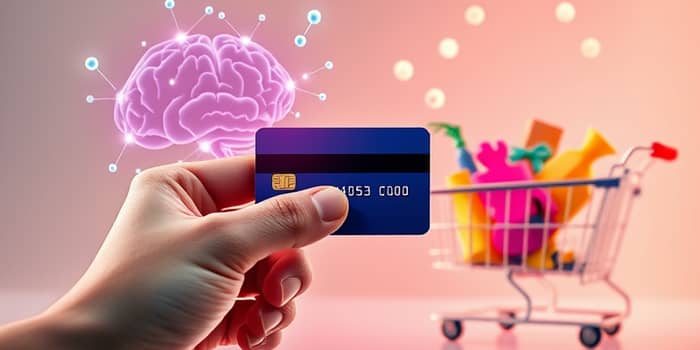
In today's fast-paced world, the simple act of swiping a credit card can feel effortless, yet it often leads to spending more than we intend.
Behind this convenience lies a complex web of psychological forces that shape our financial decisions in ways we might not realize.
Understanding these mechanisms is the first step toward taking control of your spending and building healthier habits.
Credit cards have a profound effect on our brain chemistry, particularly by activating the reward center known as the striatum.
When you make a purchase with a card, your brain releases dopamine, a neurotransmitter associated with pleasure and anticipation.
This creates a sense of excitement that can motivate spending beyond rational limits.
Unlike cash, which may feel like a loss, credit cards tap into this reward system, making spending feel more like a gain.
Over time, this can lead to habit formation, where the mere sight of a credit card logo triggers impulsive urges.
Research shows that this sensitization process is similar to how cues in casinos or drugs like cocaine influence behavior.
By recognizing this, you can start to pause and reflect before making purchases.
One key reason credit cards encourage overspending is that they reduce the pain of paying, a concept rooted in our neural responses.
Paying with cash activates the insular cortex, a brain region linked to physical pain, making each transaction feel like a real loss.
In contrast, credit cards create psychological distance by delaying the realization of cost until the bill arrives weeks later.
This decoupling of payment from purchase allows for impulse buys without immediate regret.
For example, planning a modest dinner out can easily escalate when using a card, as the lack of physical cash handover minimizes discomfort.
Awareness of this effect can help you opt for cash in situations where you want to curb spending.
The impact of credit cards on spending is supported by compelling statistics that highlight behavioral shifts.
These trends underscore the importance of mindful payment choices in everyday life.
For instance, using saved card details online can lead to shopping sprees without the mental checkpoints that cash provides.
Emotions play a significant role in credit card use, often serving as coping mechanisms for various life situations.
Common emotional triggers include stress, celebration, boredom, and social pressure, each driving spending in unique ways.
Recognizing these triggers allows you to develop healthier alternatives, such as exercise or hobbies, to manage emotions without overspending.
Not everyone responds to credit cards in the same way; personality traits greatly influence spending habits.
Understanding your own tendencies can guide you toward tailored strategies, like setting stricter budgets or using cash for discretionary purchases.
Scientific studies provide concrete evidence of how credit cards alter brain activity and behavior.
An fMRI study from MIT revealed that credit cards heighten activity in the striatum at the moment of purchase, emphasizing the reward drive over pain reduction.
This supports the idea that cards invoke a "buy now, pay later" mentality, enhancing product attachment but increasing overall spending.
In contrast, cash payments boost post-purchase satisfaction and brand loyalty due to the associated pain, making them more memorable and valued.
These insights highlight the importance of balancing convenience with conscious decision-making.
To summarize the key differences, here is a comparison of how various payment types influence spending:
This table illustrates the psychological trade-offs involved in different payment methods.
Empowering yourself with practical tools can help mitigate the negative effects of credit cards and foster financial well-being.
By implementing these strategies, you can transform your relationship with money from one of impulse to intention.
Remember, small changes can lead to significant improvements in your financial health over time.
The psychology of spending is not about deprivation but about understanding and harnessing your brain's natural tendencies.
Credit cards are powerful tools that, when used mindfully, can offer convenience and rewards without leading to debt.
By acknowledging the reward center activation and payment decoupling, you can make more informed choices that align with your long-term goals.
Every purchase is an opportunity to practice self-awareness and build resilience against impulsive urges.
Start today by reflecting on your habits and taking one small step toward healthier spending.
Your financial well-being is within reach, and with knowledge as your guide, you can navigate the complexities of modern spending with confidence and grace.
References