
Search
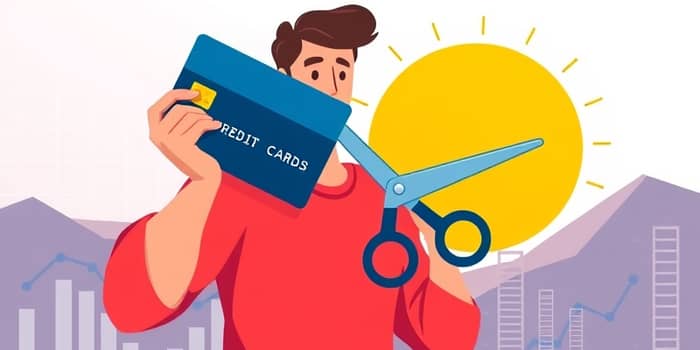
In the journey toward financial freedom, your credit cards can be powerful allies or silent adversaries.
Knowing when to hold on and when to let go is a crucial skill that can save you thousands and protect your credit health.
With U.S. credit card balances soaring to $1.2 trillion in 2024, it's more important than ever to assess whether your cards are still serving you.
This article will guide you through the signs, statistics, and practical steps to make that decision with confidence.
Your credit card might be costing you more than it's worth.
High interest rates and accumulating debt are clear red flags.
If you're only making minimum payments, you're likely on a dangerous path.
Consider these common warning signs that it's time for a change.
These indicators can lead to significant financial strain over time.
Ignoring them might mean missing out on better opportunities.
Current trends show a mixed financial landscape for cardholders.
Balances have grown steadily, but growth is slowing.
This suggests consumers are becoming more cautious.
Here's a snapshot of key interest rate trends across card types.
Rates have fallen recently due to Federal Reserve cuts.
This makes it a good time to reevaluate high-cost cards.
The overall average rate is projected to drop to 19.4% by 2026.
If your card's APR is above this, consider switching.
Understanding these numbers helps you see the bigger picture.
It empowers you to make data-driven decisions.
Fraud risks are another critical reason to reconsider your cards.
With global fraud losses expected to reach $43 billion by 2026, vigilance is key.
Account takeovers and e-skimming incidents are on the rise.
Protecting your financial information should be a top priority.
If your card lacks modern security features, it might be time to ditch it.
Staying proactive can save you from costly disputes.
Different age groups and income levels face unique challenges.
Understanding your demographic can help tailor your strategy.
The average American holds 3.9 cards, but usage varies widely.
Here are some key insights to consider.
If you find yourself relying too heavily on credit, it might signal a need for change.
Cash back cards dominate the market, offering better value for many.
Assess if your card's benefits align with your lifestyle.
Knowing the signs is just the first step.
Taking action requires a clear plan and confidence.
Start by evaluating your current financial situation objectively.
Look for quantifiable triggers that indicate it's time to move on.
Once you've identified the issues, explore alternatives.
Research cards with lower APRs or better rewards programs.
Consider consolidating debt with a balance transfer card.
Always pay off balances in full to avoid interest.
This strategy can save you hundreds or thousands annually.
Don't rush the process; take time to compare options.
Consult financial advisors if needed for personalized advice.
Breaking up with a card should feel liberating, not stressful.
Letting go of a credit card can be a positive step toward financial health.
It's about making room for better opportunities and peace of mind.
With balances projected to grow slowly and rates falling, now is an ideal time to act.
Remember, consumer resilience is high, as shown by stable delinquency rates.
Use the data and insights shared here to guide your decisions.
Embrace the change as a path to greater financial freedom.
Your future self will thank you for the courage to make smart choices.
Start today by reviewing your cards and taking that first step.
References